The best temperature for AC in Media, PA is 78°F while you're home and awake, based on current Department of Energy and ENERGY STAR guidance. That number gets more complicated once you factor in Delaware County's humidity, which punishes a thermostat far more than a dry heat state like Arizona ever would. Here's the exact breakdown for daytime, overnight, and away settings, plus one 2026 update most local guides have missed.
The Best AC Temperature for Media, PA Homes
Federal guidance hasn't changed much in over a decade, even though it gets rediscovered and argued about online every summer.
While You're Home
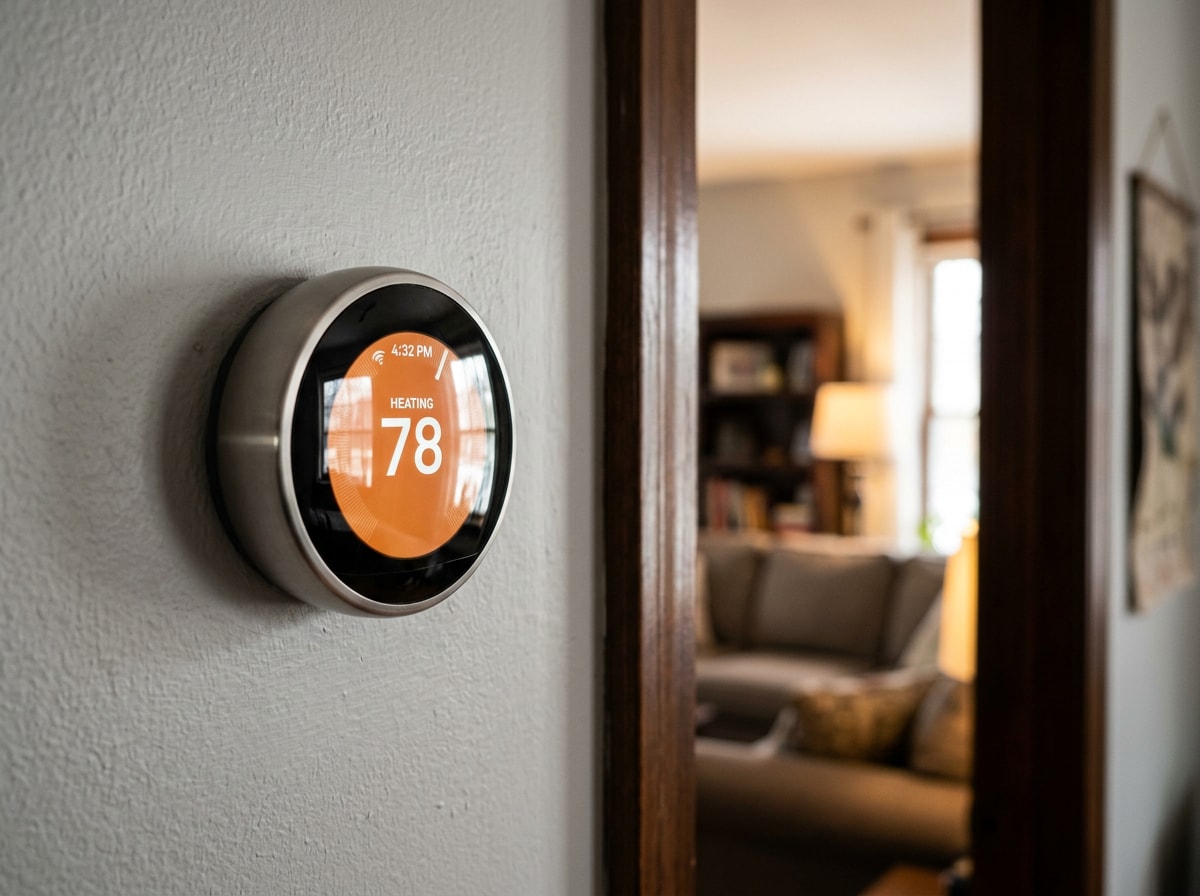
Set your thermostat to 78°F when you're home and the AC is running. That's the baseline the Department of Energy recommends for balancing comfort against cooling costs. Moving a few degrees cooler than that is fine on the hottest days, but every degree below 78 adds measurably to your runtime and your bill.
While You're Away
Raise the temperature when nobody's home instead of shutting the system off. ENERGY STAR's official thermostat guidance for programmable units specifically calls for setting the temperature 7°F higher when you're away and 4°F higher when you're asleep, and estimates a properly used programmable thermostat can save around $180 a year in energy costs. That's a more specific number than the "turn it off" advice you'll see elsewhere, and it comes straight from the federal spec sheet.
| Setting | Recommended Temperature | Source |
|---|---|---|
| Home, awake | 78°F | DOE / ENERGY STAR |
| Away (work, errands) | 85°F (78°F + 7°F) | ENERGY STAR |
| Asleep | 82°F (78°F + 4°F) | ENERGY STAR |
| Manufacturer guidance | 75–78°F | Bryant, similar major brands |
Most Media homeowners land somewhere in the 75–78°F window during the day and push up from there once they leave the house.
Why Pennsylvania Humidity Changes the Math
Heat isn't the only thing your AC fights in Delaware County. Humidity is the part most national advice ignores.
An air conditioner doesn't just cool air. It pulls moisture out of it at the same time, and that second job gets harder as the air gets wetter. Media sits in a humid subtropical climate zone, and summer relative humidity here regularly runs in the mid-60s percent range through June, July, and August.
That means a muggy 88°F afternoon can strain your system more than a dry 92°F day somewhere out west. A thermostat set correctly on paper can still leave a house feeling clammy if the system isn't pulling enough moisture out of the air, which is usually a sign of a dirty filter, a low refrigerant charge, or ductwork that's leaking conditioned air before it ever reaches the room.
The Best AC Temperature for Sleeping
Most people in Media sleep comfortably with a thermostat in the mid-70s paired with a ceiling fan for airflow. That's a practical middle ground, not the clinical ideal.
Sleep researchers put the actual number much lower. NIH's sleep guidance notes that people sleep better when the bedroom stays on the cool side, and most sleep-health sources land somewhere in the 60s Fahrenheit for genuinely optimal rest. That's colder than almost anyone wants to pay for nightly.
Here's the detail most articles skip: ENERGY STAR's own efficiency testing assumes a sleep setpoint of 82°F, four degrees warmer than the daytime target. That's the number baked into federal thermostat certification standards. It's nowhere close to what sleep scientists recommend, which tells you the "ideal" efficiency number and the "ideal" comfort number are two different things entirely. A reasonable compromise for most bedrooms is 74–76°F with a fan running, which uses moving air to make the room feel several degrees cooler without adding cooling load.
The 78° Rule Got Political in 2026
Here's something most local HVAC blogs haven't mentioned: the federal page spelling out the 75-78°F summer guidance briefly disappeared from the Department of Energy's website in mid-2026, after a public figure's endorsement of the same number turned into a political flashpoint. The underlying ENERGY STAR recommendation itself didn't change. It's the same guidance that's existed since 2009. But it's a reminder that "the DOE says 78" gets treated as settled science when it's really just one federal program's efficiency estimate, not a law or a comfort requirement specific to your house.
What Else Changes Your Ideal Setting
No single number works for every home in Delaware or Chester County. A few things shift what "ideal" actually looks like:
- Insulation age. Older homes in Media and Wallingford often need a degree or two of extra cooling to hit the same comfort level as a recently updated house.
- Direct sun exposure. Rooms with west-facing windows run hotter in the afternoon regardless of what the thermostat says.
- Household size and activity. More bodies and more time cooking mean more heat load, even with the thermostat untouched.
- Ductwork condition. Leaky or poorly sealed ducts let conditioned air escape before it reaches the room, which is a common reason a system never quite reaches its target. If a few rooms always run warmer than the rest of the house, it's worth having the duct and vent system inspected.
- Filter condition. A clogged filter restricts airflow and makes the whole system work harder to hit any setting.
Auto or On: Which Fan Setting Is Better Here?
Set the fan to "Auto," not "On," for Pennsylvania summers. Auto only runs the blower while the compressor is actively cooling, which lets moisture collected on the indoor coil drain away between cycles. Leaving the fan on constantly can blow that moisture back into the air, which works against you in a humid climate like Delco's.
When Your System Can't Hit the Target
We hear the same thing from homeowners across Media, Broomall, and Newtown Square every July: the thermostat says 78, but the house never actually gets there. That's almost never a thermostat problem. It's usually a system that's lost efficiency from a dirty coil, low refrigerant, a worn-out capacitor, or an air conditioner that was undersized for the home to begin with.
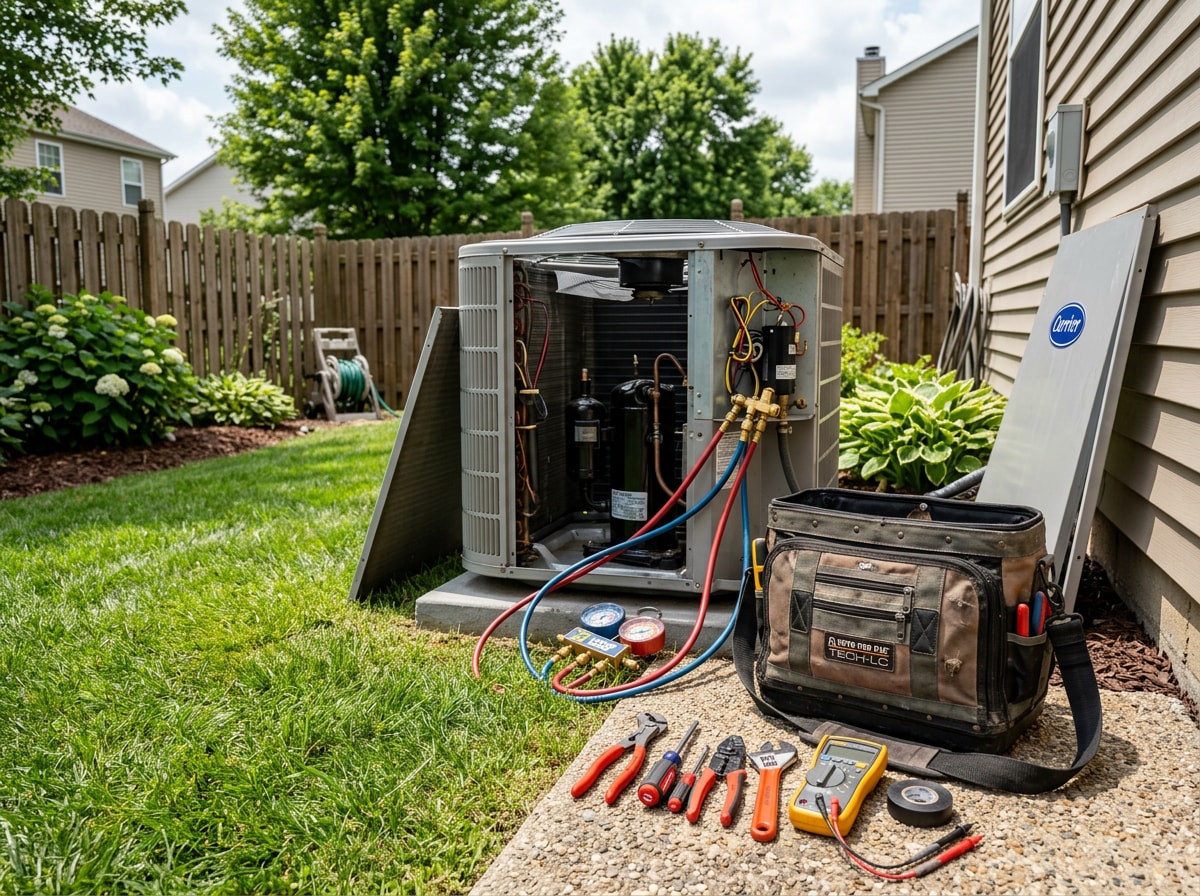
Keeping the hardware in good shape matters more than chasing a specific number on the display. Regular A/C system maintenance and routine A/C filter replacement keep a system running close to its factory specs, so 78°F actually feels like 78°F instead of a number the house never reaches. If a room, finished attic, or addition never cools properly no matter what you do, a ductless heating and A/C system for that space is often cheaper than trying to force central air to compensate.
If your system is struggling to keep up on a 90-degree afternoon, that's worth a second opinion before another summer goes by. The team at MEC Premier Comfort works on homes throughout Media, Delaware County, and Chester County, and a free inspection usually tells you in under an hour whether the fix is a simple A/C system repair or something bigger. Schedule a Free Inspection and get a straight answer before the next heat wave.
FAQ
What temperature should I set my AC to during a heat wave in Pennsylvania?
Keep it at 78°F while you're home, and raise it to 85°F if you're out for several hours. Don't shut the system off completely during a heat wave; a fully powered-down AC has to work much harder to recover once you turn it back on.
Is 72 a good temperature for AC in the summer?
72°F feels comfortable but costs noticeably more to run than the 75-78°F range. Every degree below 78 adds to your cooling costs without much added comfort, especially once you've adjusted to a slightly warmer baseline.
How cool should my house be if it's 100°F outside?
A common rule of thumb is to keep your AC no more than 20 degrees below the outdoor temperature. On a 100-degree day, that means targeting around 80°F indoors rather than pushing for 70°F, which can overwork the system without meaningfully improving comfort.
What's the best AC temperature for sleeping?
Most people sleep well in the mid-70s with a fan running for airflow. Sleep researchers recommend cooler rooms, generally in the 60s, but that's often colder than households want to pay for every night. A fan lets you keep the thermostat higher while still feeling cooler.
Should my thermostat fan be set to Auto or On?
Auto. It only runs the blower while the compressor is cooling, which helps your system remove humidity properly. Running the fan constantly can push collected moisture back into your home's air.
How much can I actually save by adjusting my thermostat a few degrees?
ENERGY STAR estimates a properly programmed thermostat, set 7°F warmer while away and 4°F warmer while asleep, can save around $180 a year on energy costs. Your actual savings depend on your home's insulation, your system's age, and local electricity rates.